
A watch box can look convincing when it is open, yet still disappoint during the first handoff. For a retail or wholesale order, check how the lid closes, how the watch sits beneath it and whether a customer can open the box without pulling on the watch. These checks are separate from choosing the outer color or approving a photograph.
Check the lid clearance with the actual watch
Place a representative watch on the proposed holder and close the lid slowly. Watch for contact with the crystal, crown, clasp and any raised bracelet links. Repeat the test with the largest case and thickest strap in the intended range. A box that fits one watch in a styled image may not fit every model in a collection.
Check whether the holder shifts when the box is tilted for a handoff. The watch should remain presented in the intended position when staff lift the box from a shelf and set it on a counter. Record the watch dimensions and the approved holder position with the sample.
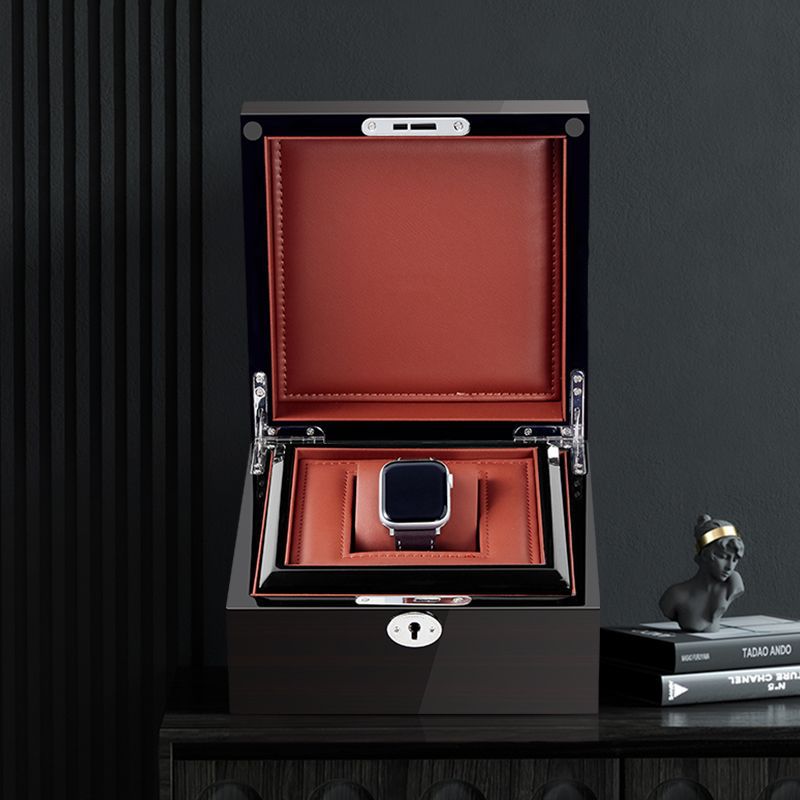
Test the closure as a customer would
Open and close the sample repeatedly while it contains the watch. Check that the lid aligns with the base, the hinges move smoothly and any latch engages without forcing the two halves together. If the design includes a key lock, verify the key operation and whether the lock is meant for presentation or for a separately specified security requirement. A visible lock alone is not evidence of theft resistance.
Try the opening motion on the actual sales counter. Staff should be able to hold the base steady and raise the lid without the box sliding or the watch catching the top. The sample should also be checked after its planned transport packaging is applied and removed, because pressure during packing can expose alignment problems.
Review the surfaces and handoff details
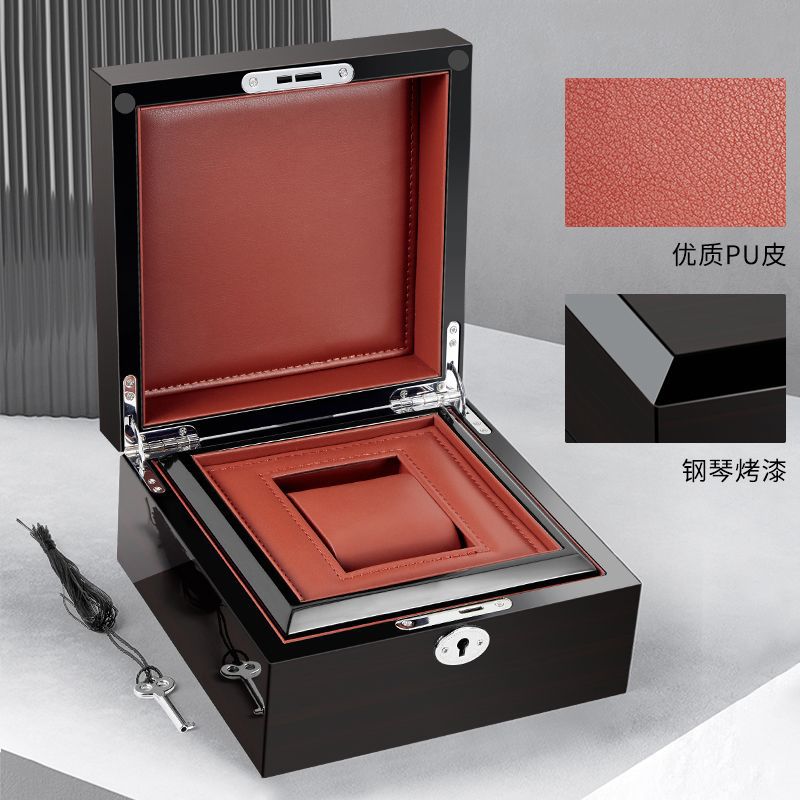
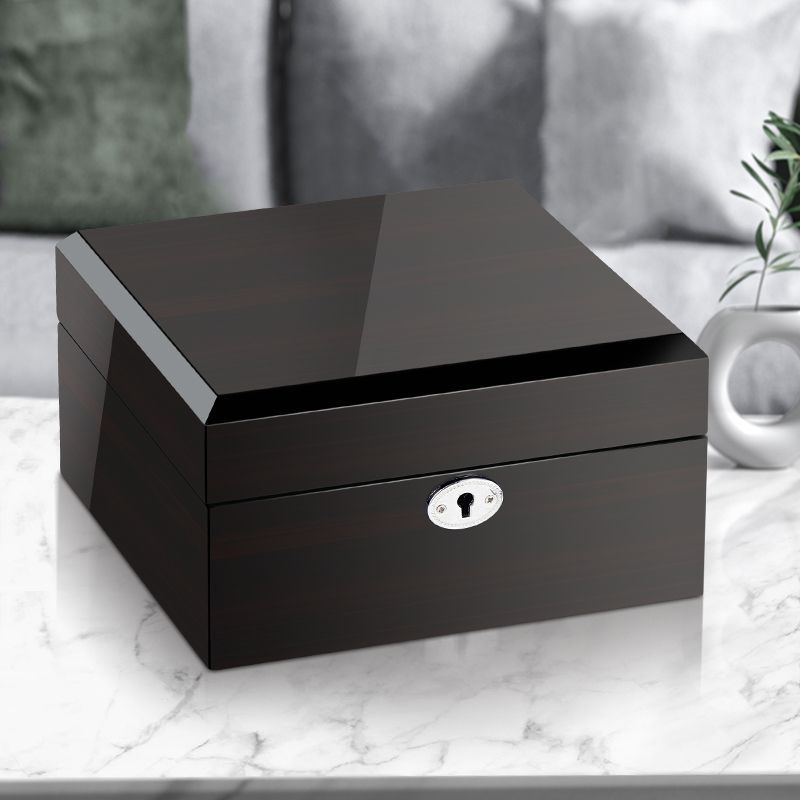
Inspect the lid and front face under the store’s normal lighting. Glossy surfaces can show fingerprints and reflections; the relevant question is whether the chosen finish suits the brand’s display and handling routine. Ask for a physical finish sample before approving a color from a screen. Confirm the exact surface material and construction in the quotation rather than inferring them from a photo.
Decide where the logo, warranty card and any care note will go. Test whether staff can remove the watch and replace it without damaging printed material or disturbing the holder. If several watch models share one box design, test each model instead of assuming one insert works for all.
Send a useful sample brief
Give the supplier the watch case dimensions, strap or bracelet type, largest assembled height, desired opening direction, closure preference, finish reference, branding artwork and the way the box will be displayed and shipped. Ask for the finished outer and inner dimensions, a sample with the actual watch, and written confirmation of materials, logo method, minimum order quantity and lead time. Do not approve the production specification from a photo alone.
For related purchasing checks, read our watch cushion fit guide and watch packaging quote comparison. Contact JERL Packaging with your watch measurements and reference photos for a sample review.
Frequently asked questions
Does a lock make a watch presentation box secure?
Not by itself. A lock visible in a photo describes a closure feature, not a tested security rating. Specify any security requirement separately and request evidence for it.
Can one box fit both a small dress watch and a large sports watch?
Possibly, but only after testing case clearance, strap fit and holder stability with both watches. A shared outer box may still need different holders.
What should be checked before approving a production sample?
Check the watch fit, lid clearance, closure operation, surface finish, logo placement and the packed sample. Record approved dimensions and materials in writing.


