
A jewelry pouch may look right in a product photo yet behave differently when it touches polished metal, pearls, plated parts or a presentation card. For wholesale buyers, the useful question is whether the finished pouch, in the chosen color and construction, works with the jewelry and the way customers will store or carry it.
This sample review focuses on surface contact, loose fibers and color transfer. It complements pouch sizing and closure checks; it does not replace testing for a specific jewelry finish or storage condition.
Start with the actual finished pouch
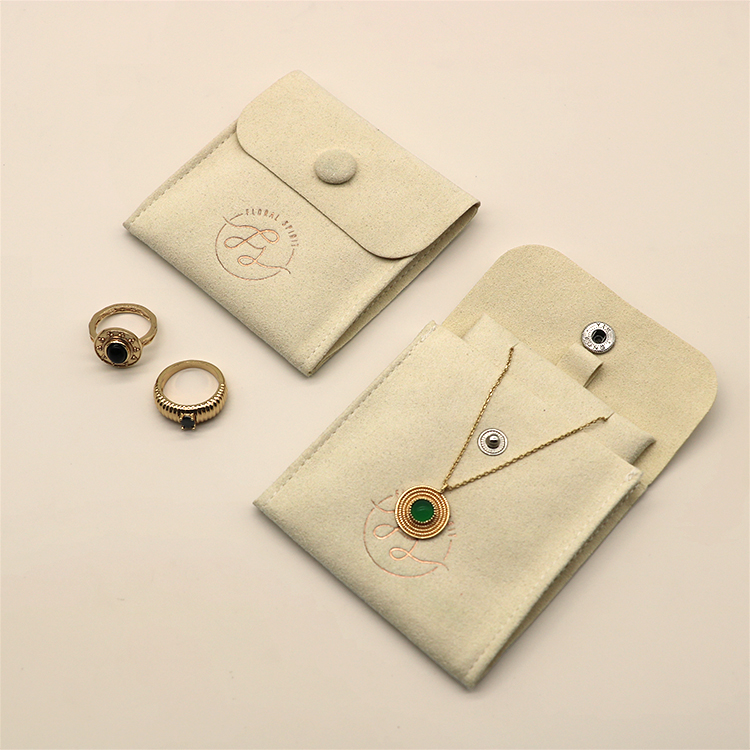
Ask for a sample in each proposed fabric and color, with the intended lining, seams, closure and logo treatment. A fabric swatch cannot show how the inside of a finished pouch contacts a ring setting, chain or clasp. Record which side of the fabric faces the jewelry and whether any stitching, hardware or insert edges are exposed.
Pack representative pieces exactly as your team would pack an order. Include an item with a raised setting and one with a delicate chain if these are part of the range. Open and close the pouch repeatedly, then inspect the jewelry and the pouch interior under consistent lighting. Keep the sample and notes for comparison with production.
Check loose fibers before approving the surface
Rub the inner surface lightly with a clean, light-colored cloth and inspect for visible fibers or residue. Then place the actual jewelry in the pouch, remove it and check whether fibers remain on settings, chain links or textured details. Repeat after normal opening and closing. Agree with the supplier what appearance is acceptable for your product and how the result will be recorded.
A single visual check cannot prove that a pouch is lint-free under every condition. Fabric pile, cutting, sewing and handling can affect the result. If the jewelry has a sensitive finish, agree a test method with the supplier or a qualified laboratory before making any performance claim.
Review color transfer by color combination
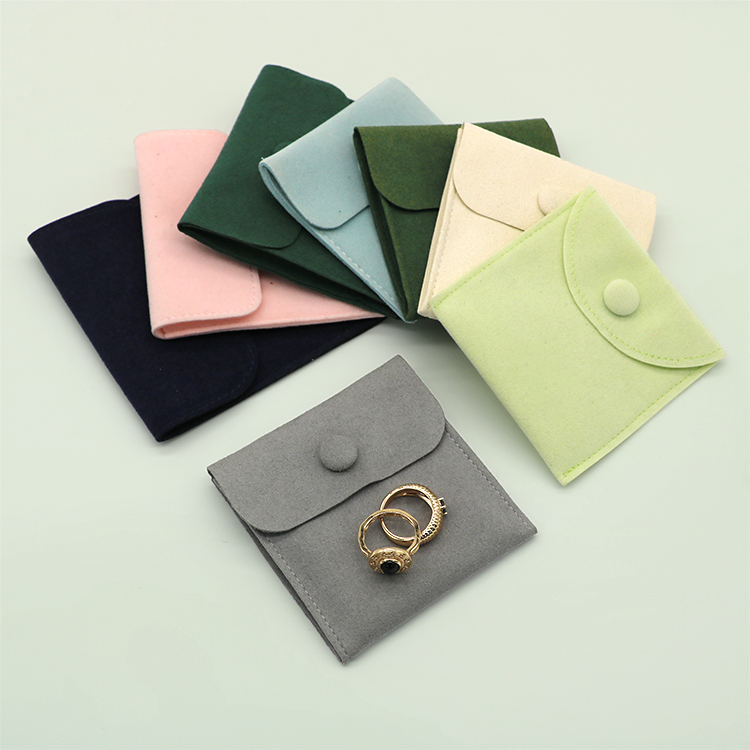
A dark pouch and a light presentation card may reveal transfer more readily than two dark surfaces. Test the exact pouch color against the actual jewelry, cards and any gift-box lining that will touch it. Look for staining after the intended packing and handling routine, especially around seams and closures where pressure is concentrated.
Moisture, friction and storage duration can change the result. Define the conditions relevant to your market and product, and ask the supplier how colorfastness will be verified. Do not assume that approval of one color covers another color or a later fabric batch.
Separate appearance from protective claims
A soft pouch can organize and present jewelry, but its appearance does not establish anti-tarnish treatment, scratch resistance or shipping protection. Ask for the material composition and any documented treatment if those properties matter to your order. Review the full packaging system, including any rigid box or shipping carton, when products will travel through parcel delivery.
Also check whether closures or decorative parts can touch the jewelry. Place a filled pouch in the intended box or display tray and look for pressure points. If a chain or earring back can catch on a seam, revise the packing arrangement or request a different interior construction before approving the sample.
Put acceptance criteria in the purchase specification
For each approved version, record the pouch color, fabric and lining specification, finished dimensions, closure, logo position and reference sample. Add the agreed method for checking visible loose fibers and transfer against representative jewelry and cards. State who approves a changed material or color before production.
Send JERL the jewelry type, finish, pouch color, quantities by version, intended use and destination. We can review a proposed sample and confirm materials, available options, sampling arrangements and quotation details for that configuration. See our jewelry pouch sizing and sample checklist for fit and closure questions, and our customization page for branding options.
Frequently Asked Questions
Does a velvet-like pouch prevent tarnish?
The look or feel of a fabric does not establish anti-tarnish performance. Ask for the supplied material and any relevant treatment documentation or testing before making that claim.
Can one approved color represent the whole range?
Review each selected color and fabric combination with the jewelry and adjacent packaging materials it will touch. Keep a reference sample for each approved version.
Should the test use an empty pouch?
Use the actual jewelry or representative pieces in the finished pouch. The contact and pressure points can differ when the pouch is filled and closed.
For a specification-based quotation, contact JERL Packaging or email info@packjerl.com with your jewelry and pouch requirements.


