
How to Choose Packaging for a Jewelry Brand?
Choosing the right jewelry packaging is about more than finding a beautiful box. For jewelry brands, packaging plays an important role in protecting delicate products, communicating brand identity, and creating a memorable customer experience.
Whether you’re launching a new jewelry collection, upgrading your existing packaging, or sourcing wholesale jewelry packaging, the right solution should balance appearance, functionality, quality, and cost.
But with so many jewelry box styles, materials, inserts, and printing options available, where should you start?
In this guide, we’ll explore seven important factors to consider when choosing custom jewelry packaging for your brand.
1. Start With Your Jewelry Brand Positioning
Before choosing a packaging style, think about how you want customers to perceive your brand.
Your packaging should reflect your product positioning, target audience, and overall brand personality.
For example:
Luxury Jewelry Brands
Premium jewelry brands often prefer rigid jewelry boxes, textured paper, velvet interiors, and subtle foil-stamped logos. These details can create a refined and sophisticated presentation.
Minimalist Jewelry Brands
Brands with a clean, modern identity may choose simple box structures, neutral colors, matte finishes, and understated logo designs.
Fashion Jewelry Brands
Fashion jewelry businesses often look for colorful, attractive packaging that provides a balance between visual appeal and affordability.
Sustainable-Focused Jewelry Brands
Brands prioritizing environmental considerations may explore responsibly sourced paper, recycled-content materials, and paperboard inserts that are easier to separate for recycling.
However, the sustainability of a packaging solution depends on its complete material composition, coatings, adhesives, and local recycling systems.
Our Tip: Before selecting materials or box styles, define three words that describe your brand. For example: elegant, modern, and timeless. Use these words to guide your packaging decisions.
2. Choose the Right Jewelry Packaging Box Style
Different jewelry products require different packaging structures.
Selecting the right box helps protect your jewelry while improving how it is displayed.
Ring Boxes
Ring boxes are typically compact and feature inserts designed to hold rings securely.
For engagement rings, wedding bands, and fine jewelry, rigid boxes with soft inserts are popular choices.
Earring Boxes
Earring boxes can accommodate studs, hoops, or drop earrings.
The insert design should prevent earrings from moving, tangling, or becoming damaged during transportation.
Necklace and Pendant Boxes
Necklace packaging should keep chains organized and help prevent tangling.
Flat jewelry boxes with specially designed inserts are often suitable for necklaces and pendants.
Bracelet and Bangle Boxes
Bracelets and bangles may require longer or wider packaging, depending on their dimensions and shape.
The insert should provide enough support without placing unnecessary pressure on the jewelry.
Jewelry Packaging Sets
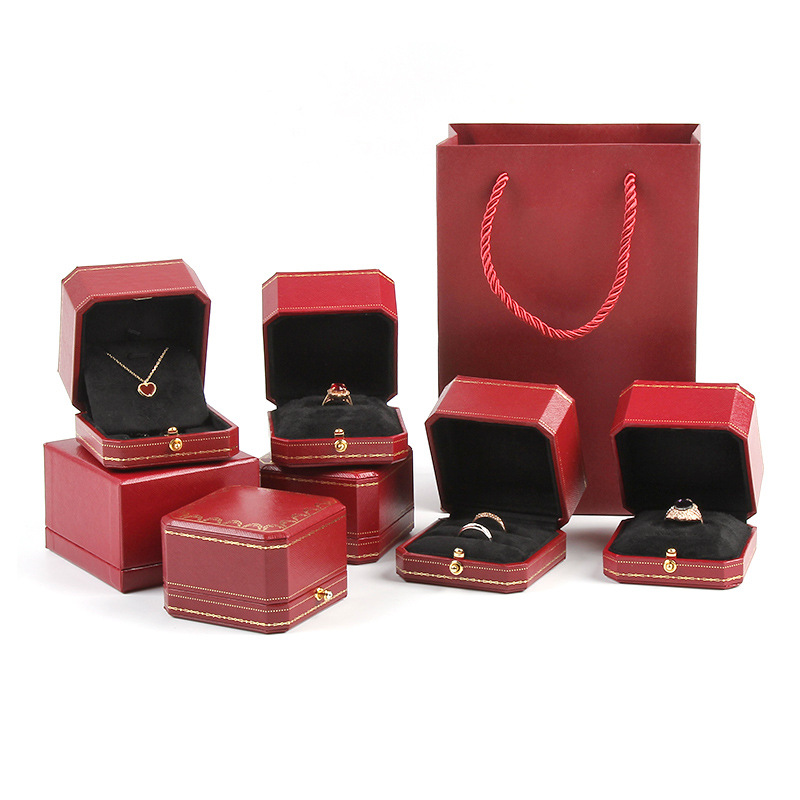
If your brand sells multiple jewelry categories, consider developing a coordinated collection of custom jewelry boxes.
For example, you could use the same exterior color, logo finish, and material across ring boxes, earring boxes, necklace boxes, and bracelet boxes.
This creates a consistent brand presentation while allowing each product to have an appropriately sized box.
For a coordinated ring and jewelry-set presentation, compare the JYB134 ring and jewelry set boxes. Confirm the insert layout against the pieces in your collection.
Our Tip: Avoid choosing an oversized box simply because it looks luxurious. The ideal packaging should fit the jewelry securely and maintain a balanced presentation.
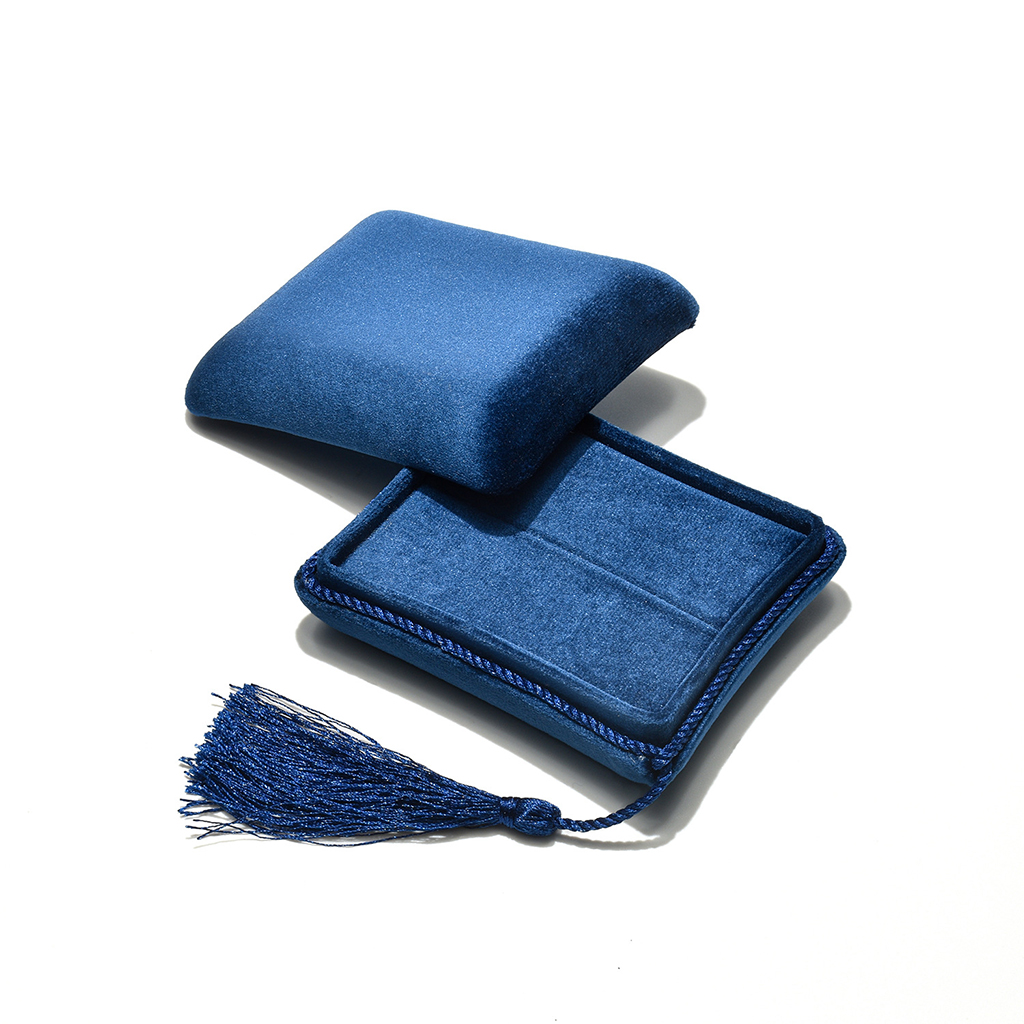
If the brief also includes reusable travel storage, review the JYB130 jewelry travel case with mirror separately from gift packaging. Check the internal arrangement and closed fit with the jewelry it will carry.
3. Select Packaging Materials That Match Your Brand
The material you choose affects the appearance, texture, durability, and price of your jewelry packaging.
Here are several common options.
Rigid Paperboard Jewelry Boxes
Rigid jewelry boxes typically use a sturdy paperboard core covered with decorative paper or other finishing materials.
They are widely used for premium and luxury jewelry packaging because they offer structural stability and many customization possibilities.
Specialty Paper
Specialty paper is available in different colors, textures, and surface finishes.
It can create a premium appearance without requiring complex printed designs.
Some specialty papers have limitations on printing compatibility, so the selected decoration method should be confirmed before production.
Coated Paper
Coated paper is commonly used when brands require detailed graphics, full-color printing, or consistent printed patterns.
It is a versatile option for branded jewelry packaging.
Kraft Paper
Kraft paper offers a natural, understated appearance.
It is often selected by brands that prefer an organic or minimalist visual identity.
Velvet and Fabric Finishes
Velvet-covered jewelry boxes can create a soft, elegant presentation, especially for fine jewelry and gift collections.
However, fabric finishes may require additional attention to cleaning, handling, and storage.
PU Leather
PU leather can provide a smooth or textured finish and is often used for premium jewelry boxes and watch packaging.
Our Tip: Ask your packaging supplier for physical material samples whenever possible. Colors and textures can look different on a computer screen than they do in person.
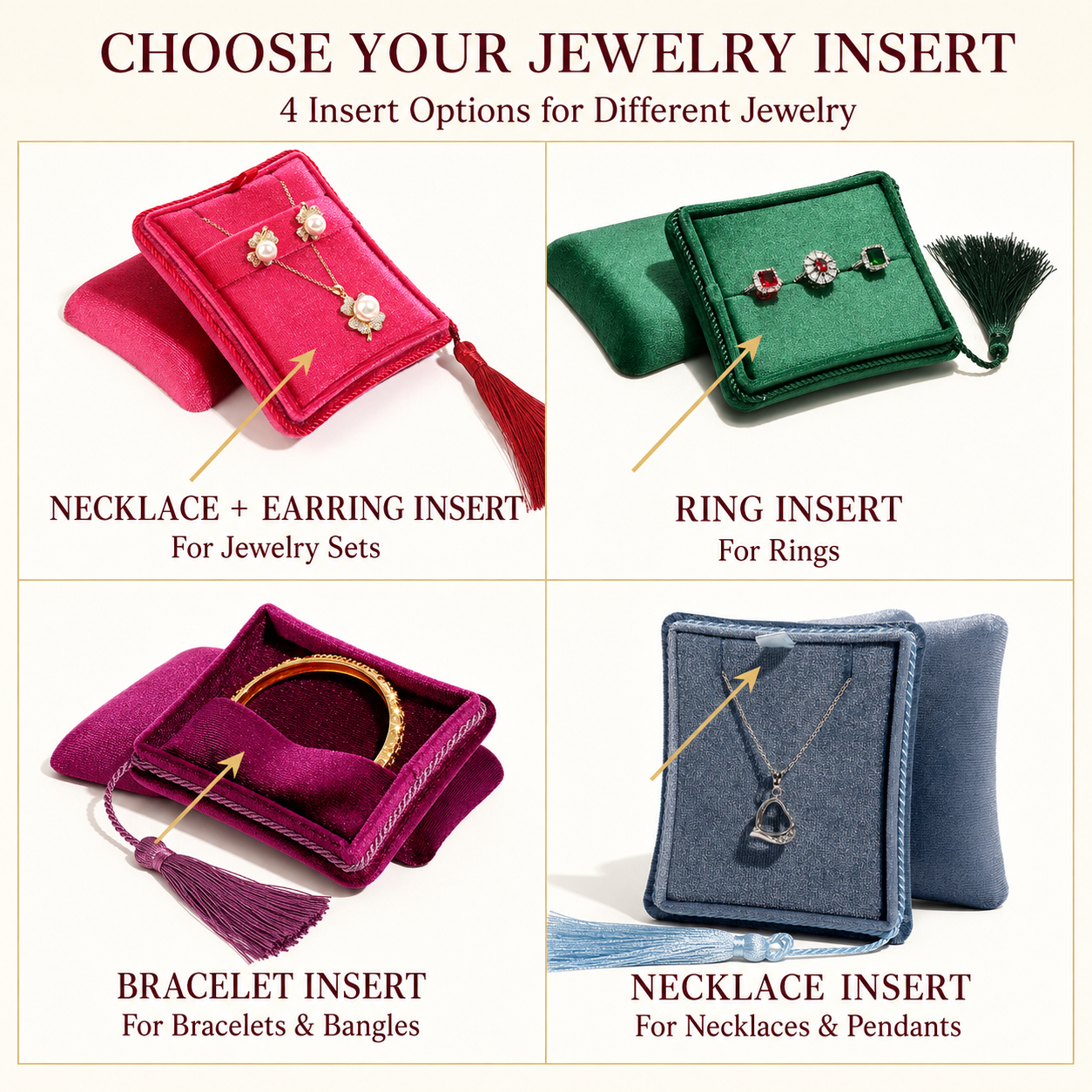
4. Don’t Overlook Jewelry Box Inserts
The exterior box attracts attention, but the insert is what holds the jewelry in place.
A well-designed jewelry box insert should protect the product, support its shape, and complement the overall packaging design.
Common insert options include:
| Insert Material | Common Applications | Main Consideration |
|---|---|---|
| EVA Foam | Rings, earrings, pendants | Can be precision-cut for specific product shapes |
| Sponge / Foam | General jewelry packaging | Lightweight cushioning |
| PET / rPET Trays | Structured product displays | Shape consistency and material selection |
| Paperboard Inserts | Minimalist jewelry packaging | Can reduce the need for mixed materials |
| Satin Fabric Inserts | Gift and premium presentations | Soft decorative appearance |
| Velvet-Covered Inserts | Fine jewelry presentation | Premium look and feel |
The best insert depends on the jewelry’s size, weight, shape, and surface sensitivity.
For example, a delicate necklace may need slots or fastening points to reduce movement, while a ring typically requires a secure holding slot.
Our Tip: When requesting a quotation, provide the dimensions of the jewelry itself, not just the desired outer box dimensions. This helps the supplier recommend a suitable insert structure.
5. Customize Your Packaging With Your Brand Logo
Your logo is one of the most recognizable elements of your brand.
With custom logo jewelry boxes, you can create a consistent identity across your packaging collection.
Several decoration techniques are commonly used.
Gold and Silver Foil Stamping
Foil stamping adds a metallic finish to a logo or design.
Gold foil is often associated with warmth and elegance, while silver foil can complement contemporary or minimalist branding.
Embossing and Debossing
Embossing creates a raised design, while debossing creates a recessed impression.
Both techniques add a tactile element to packaging.
Screen Printing
Screen printing can be suitable for simple logos and selected packaging materials.
The result depends on the substrate, ink, and design requirements.
UV and Spot UV Printing
Spot UV can highlight selected design elements with a glossy finish, creating contrast against certain matte surfaces.
Offset and Digital Printing
These methods are commonly considered for printed graphics, patterns, and multicolor art


