
A customer buys a necklace and a ring in one online order. Should the warehouse put both into one jewelry pouch, use two pouches, or place them in a gift box? That decision affects how the pieces meet each other in transit, how the customer finds them and how consistently the order is packed.
For brands buying jewelry pouches for ecommerce, start with the orders your team actually dispatches. Agree a packing arrangement for each common combination before calculating pouch quantities. The examples below are planning scenarios, not tested shipping specifications or customer cases.
Decide what belongs together inside each pouch
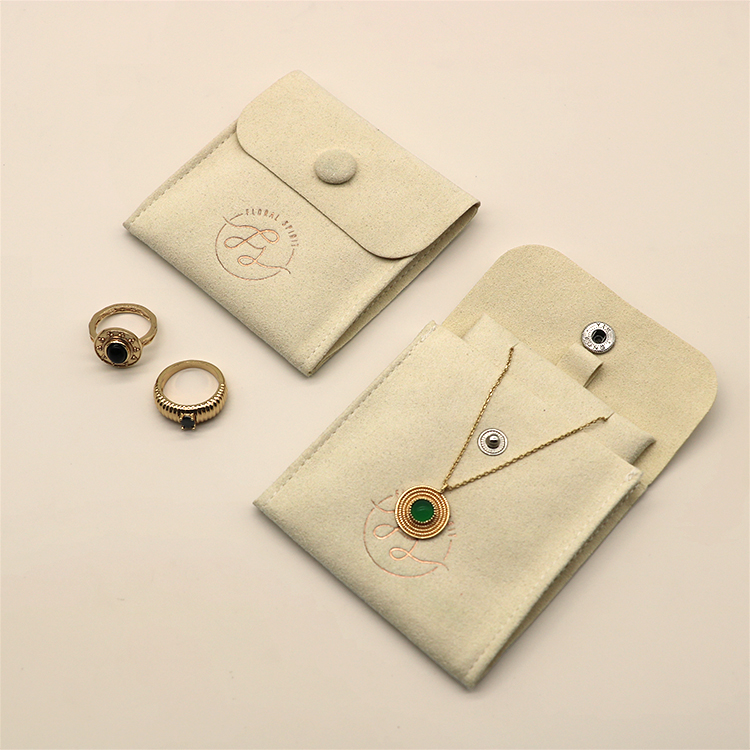
An order is a sales unit; it does not have to be one packing compartment. A ring and a necklace purchased together may need separate pouches if they would otherwise touch or become caught together. Likewise, a pair of earrings needs a way to keep posts and backs from pressing against the other earring.
Start your trial with each piece held separately, then examine whether a shared pouch with a suitable divider or panel works for the collection. A loose pocket that looks spacious in a photograph does not show how the contents behave when the parcel changes direction. Inspect the jewelry after the complete packing arrangement has been handled and evaluated.
Write a packing rule for three common order types
A single piece
Identify the pouch and any panel used for that item. Show where the chain, clasp or earring backs should sit before closure. Keep the order identification on an outer sleeve or another suitable packing component when an adhesive label would interfere with the pouch’s presentation.
Several pieces in one order
Define the number of pouches and the position of each within the outer package. Check that the packing team can count the contents before sealing without reopening every finished pouch. A packing diagram can show which item belongs in which position, with product codes that match the order record.
A gift order
Specify whether the recipient receives individual pouches together in one presentation box or separately wrapped pieces. Decide where the gift message and care card go, and how a packing slip with prices is handled under your store policy. Photograph the approved opening sequence so another packer can reproduce it.
Give the pouch and the shipping package separate jobs
A pouch can organize a piece and provide a soft presentation surface. Its fabric alone does not establish resistance to crushing, moisture or tarnishing. Ask for the material specification and evidence for any protective claim that matters to your jewelry.
Choose an outer shipping package and internal support appropriate to the contents. Review the packed order as a whole: a snug pouch may still move freely inside a large carton, while a tightly filled carton may put pressure on a raised setting. Agree suitable transport testing with your packaging supplier or testing provider for the proposed shipment conditions.
If you are still selecting the pouch itself, use our jewelry pouch sizing and sample checklist. Then return to the full parcel trial with the actual card, closure and outer package included.
Make stock identification clear at the packing bench
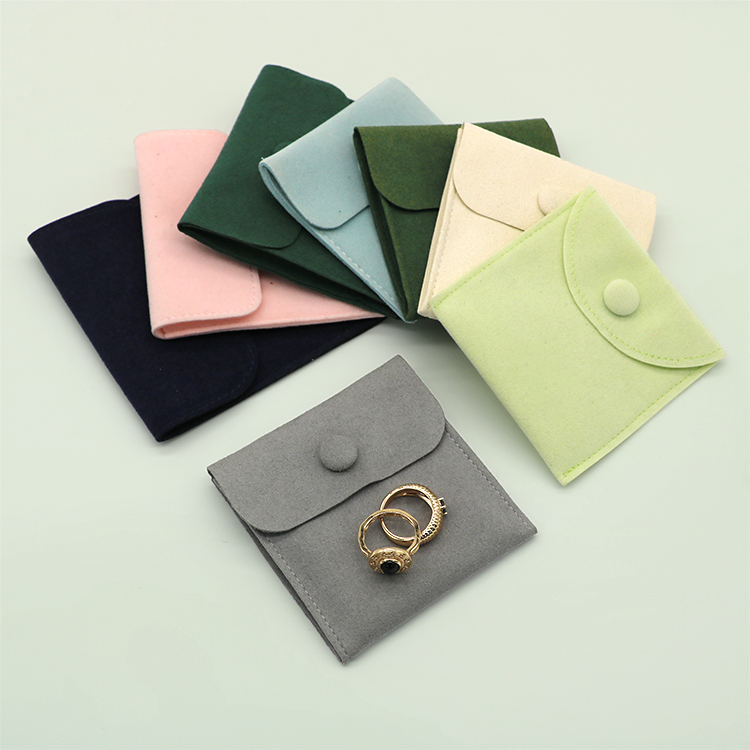
Similar-looking pouches can serve different products. Keep size and construction codes on the stock containers, and include those codes in the packing instruction. Color can provide an additional cue, but a color name alone may not distinguish a plain pocket from a version with a necklace panel.
For packaging distributors supplying several brands, keep artwork versions and customer-specific pouch codes linked to the correct stock. Agree how bundles and cartons will be labeled before delivery. This gives receiving staff a reference for checking the shipment against the purchase order.
Calculate quantities from the packing arrangement
Count pouches per order type, then apply your expected mix of orders. For example, 100 single-piece orders using one pouch each and 40 two-piece orders using two each would require 180 pouches before any allowance for replacements or other uses. This is an arithmetic example, not a minimum order quantity or demand forecast.
Separate that total by pouch size, panel type, color and branding version. Add any reserve based on your own packing and replacement records. Ask the supplier to quote the resulting specification, including the required delivery destination and target arrival date.
Prepare a pouch-and-parcel review with JERL
Send your common order combinations, jewelry photographs, current outer packaging and proposed pouch quantities to info@packjerl.com. Include the presentation you want customers to see when they open the parcel. Explore our packaging customization options for the discussion, and use the JERL contact page to request a review of available constructions and sample arrangements.


